10 Scientific Facts About the Human Brain That Will Surprise You
The human brain is one of the most complex and fascinating organs in the body. It controls thoughts, emotions, memory, movement, and every function necessary for survival. Despite decades of scientific research, the brain still holds many mysteries. Understanding how the brain works can help people improve learning, memory, and overall mental health.
The Brain Uses a Lot of Energy
Although the brain represents only about 2 percent of the body’s weight, it consumes around 20 percent of the body’s total energy. This energy is used to maintain communication between billions of neurons and support cognitive functions such as thinking and memory.
Because the brain requires so much energy, proper nutrition and oxygen supply are essential for optimal brain performance.
The Brain Contains Billions of Neurons
The human brain contains approximately 86 billion neurons. Neurons are specialized cells that transmit electrical and chemical signals throughout the nervous system.
These neurons form complex networks that allow the brain to process information, control movements, and regulate body functions.
The Brain Continues to Change
For many years scientists believed that the brain stopped developing after childhood. However, modern research shows that the brain remains adaptable throughout life.
This ability, known as neuroplasticity, allows the brain to reorganize itself by forming new neural connections when learning new skills or recovering from injuries.
The Brain Cannot Feel Pain
Although the brain processes pain signals from the body, the brain itself does not have pain receptors. This means the brain cannot directly feel pain.
This is why certain brain surgeries can be performed while the patient is awake without causing pain in the brain tissue itself.
The Brain Generates Electrical Signals
The brain constantly produces electrical signals that allow neurons to communicate with each other. These signals create brain waves that can be measured using medical equipment such as electroencephalography (EEG).
Different brain wave patterns are associated with states such as deep sleep, concentration, and relaxation.
Memory Is Not Stored in One Location
Many people assume that memories are stored in a single part of the brain. In reality, memories are distributed across multiple regions of the brain depending on the type of information.
For example, emotional memories involve different brain areas than memories related to facts or motor skills.
The Brain Processes Information Extremely Fast
Neural signals can travel through the nervous system at speeds exceeding 250 miles per hour. This rapid communication allows the brain to process sensory information and respond to situations almost instantly.
Fast neural processing helps humans react quickly to danger and coordinate complex movements.
Sleep Helps the Brain Function Better
Sleep plays an important role in brain health and memory consolidation. During sleep, the brain processes information learned during the day and strengthens important neural connections.
Lack of sleep can negatively affect concentration, memory, and decision-making abilities.
The Brain Is Mostly Water
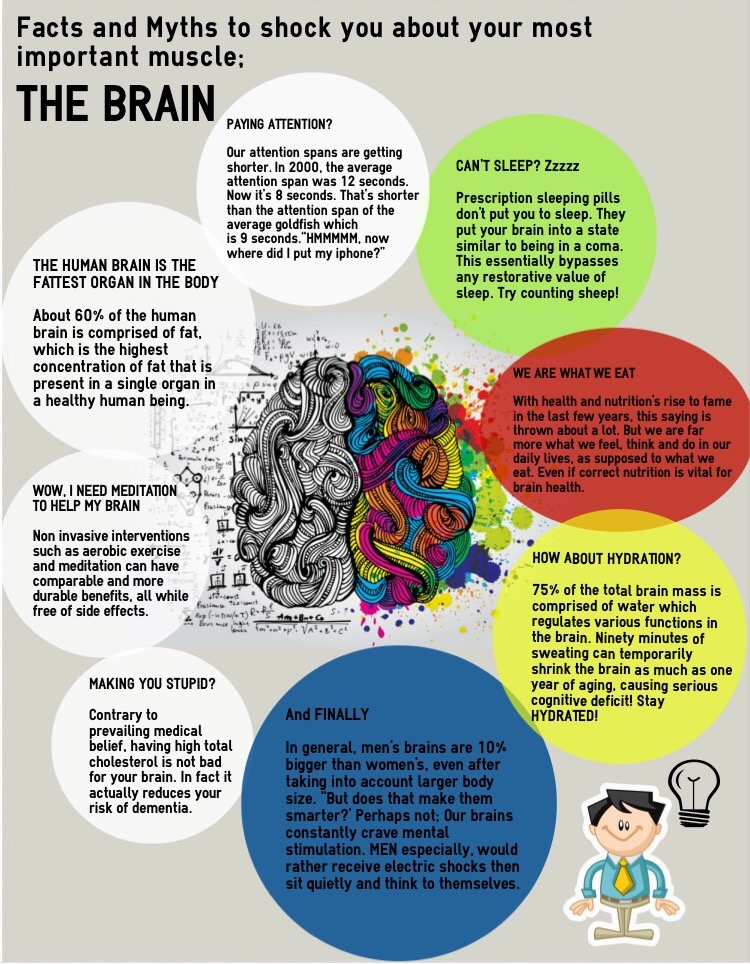
The human brain is composed of approximately 75 percent water. Proper hydration is essential for maintaining brain function and supporting cognitive processes.
Even mild dehydration can affect concentration, mood, and mental performance.
The Brain Can Create New Connections
Every time a person learns something new, the brain forms new neural connections. These connections strengthen with practice and repetition, allowing skills and knowledge to become more permanent.
Continuous learning helps keep the brain active and supports long-term cognitive health.
FAQs
How powerful is the human brain?
The human brain is capable of processing vast amounts of information and controlling every function in the body, making it one of the most powerful biological systems.
Can the brain improve with training?
Yes. Activities such as reading, learning new skills, and solving problems can strengthen neural connections and improve brain function.
Why is sleep important for the brain?
Sleep helps the brain organize memories, repair cells, and restore energy needed for cognitive performance.
The human brain remains one of the most remarkable organs in the body. Continued research helps scientists better understand how the brain works and how people can improve learning, memory, and overall mental health.