Artificial Intelligence (AI) has moved far beyond research labs and tech companies. In 2026, AI is integrated into daily life in ways that many people may not even realize. From personalized recommendations on streaming platforms to smart assistants managing homes, AI technologies are reshaping how people work, communicate, learn, shop, and even receive healthcare. As machine learning algorithms continue to improve and computing power increases, AI is becoming a fundamental part of modern society.
Understanding how AI impacts everyday life helps individuals and businesses prepare for the future. Today, AI is not just a technology trend; it is a powerful tool that improves efficiency, enhances decision-making, and creates new opportunities across multiple industries.
What Is Artificial Intelligence?
Artificial Intelligence refers to computer systems designed to perform tasks that typically require human intelligence. These tasks include recognizing speech, analyzing data, solving problems, and making decisions. AI systems use techniques such as machine learning, deep learning, and natural language processing to learn from data and improve over time.
Unlike traditional software that follows fixed instructions, AI systems can adapt and refine their behavior based on patterns they discover in large datasets. This capability allows AI to handle complex tasks that were previously impossible for computers.
AI in Smartphones and Personal Devices
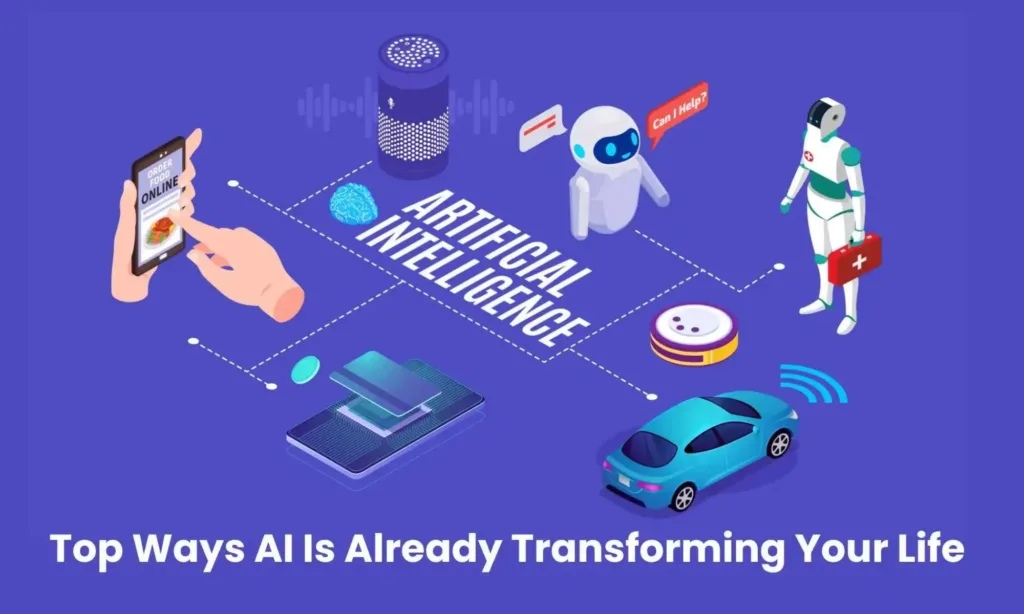
One of the most common places people interact with AI is through smartphones. AI powers many of the features used daily, including voice assistants, facial recognition, and predictive text.
Modern smartphones use AI to improve camera performance by automatically adjusting lighting, focus, and color balance. AI-based photo recognition also allows users to search their photo libraries using simple keywords.
Voice assistants like Siri, Google Assistant, and Alexa rely heavily on AI to understand spoken language and respond to commands. These assistants can set reminders, answer questions, control smart home devices, and provide real-time information.
Predictive typing is another AI-powered feature that helps users type faster by suggesting words based on previous typing behavior. Over time, the system learns writing patterns and improves its predictions.
AI in Smart Homes
Smart home technology has become increasingly popular, and AI plays a central role in making homes more efficient and comfortable. AI-powered devices can automate everyday tasks such as adjusting lighting, managing home security, and controlling temperature.
Smart thermostats analyze user habits and automatically adjust heating and cooling systems to optimize energy use. This reduces energy consumption while maintaining comfort.
AI-based security systems use facial recognition and motion detection to identify potential threats. These systems can send real-time alerts to homeowners when unusual activity is detected.
Smart speakers and home assistants also act as central hubs for managing connected devices. With simple voice commands, users can control appliances, play music, or check the weather.
AI in Healthcare
Healthcare is one of the industries experiencing the most significant transformation through AI. Medical professionals use AI tools to analyze medical data, detect diseases earlier, and develop personalized treatment plans.
AI-powered diagnostic systems can examine medical images such as X-rays and MRIs to identify signs of disease with remarkable accuracy. These systems help doctors detect conditions like cancer, heart disease, and neurological disorders earlier than traditional methods.
Wearable devices such as smartwatches also use AI to monitor health metrics, including heart rate, sleep patterns, and physical activity. These devices provide insights that help individuals maintain healthier lifestyles.
In hospitals, AI helps streamline administrative tasks, manage patient records, and predict patient needs, allowing healthcare providers to focus more on patient care.
AI in Online Shopping
Online shopping experiences have improved significantly due to AI-powered recommendation systems. E-commerce platforms analyze browsing behavior, purchase history, and user preferences to suggest products that customers are more likely to buy.
These personalized recommendations increase customer satisfaction and help businesses improve sales. AI chatbots also assist customers by answering questions, tracking orders, and providing support around the clock.
Another important use of AI in retail is inventory management. AI systems can predict demand trends and help businesses manage stock levels more efficiently, reducing shortages and overstock problems.
AI in Transportation
Transportation systems are rapidly evolving with the help of AI. Navigation apps use AI algorithms to analyze traffic patterns and provide real-time route recommendations.
Ride-sharing services rely on AI to match passengers with drivers efficiently and optimize travel routes. This reduces wait times and improves overall service quality.
Self-driving vehicles represent one of the most advanced applications of AI in transportation. Autonomous vehicles use sensors, cameras, and machine learning algorithms to understand road conditions and make driving decisions without human intervention.
Although fully autonomous vehicles are still being developed, AI-assisted driving features such as automatic braking, lane detection, and adaptive cruise control are already widely available.
AI in Education
Education has also benefited greatly from AI-powered learning tools. AI systems can analyze student performance and provide personalized learning experiences tailored to each individual’s strengths and weaknesses.
Online learning platforms use AI to recommend courses, track progress, and identify areas where students need additional support. This approach helps learners study more efficiently and achieve better results.
AI-powered tutoring systems can answer student questions instantly and provide explanations that adapt to different learning styles.
Teachers also benefit from AI tools that automate administrative tasks such as grading assignments and managing classroom data. This allows educators to spend more time engaging with students and improving the learning experience.
AI in Digital Communication
Communication platforms are using AI to improve messaging, translation, and content moderation. AI-powered language translation tools allow people from different countries to communicate easily without language barriers.
Email services use AI to filter spam messages and prioritize important emails. Social media platforms rely on AI to recommend content, detect harmful posts, and personalize user feeds.
AI-based writing assistants also help people improve grammar, spelling, and clarity when writing emails, reports, or online content.
AI in Entertainment
The entertainment industry uses AI to personalize user experiences and create engaging content. Streaming platforms analyze viewing habits to recommend movies and TV shows that match individual preferences.
Music streaming services also use AI algorithms to create personalized playlists based on listening history. These recommendations help users discover new artists and songs they might enjoy.
AI is even being used in content creation, assisting filmmakers, game developers, and musicians in generating creative ideas and enhancing production quality.
Benefits of Artificial Intelligence in Everyday Life
Artificial Intelligence offers numerous benefits that make daily life easier and more efficient. AI systems automate repetitive tasks, saving time and reducing human effort.
AI also improves accuracy in fields such as healthcare, finance, and engineering by analyzing large datasets quickly and identifying patterns that humans might miss.
Another major advantage is personalization. AI-powered services tailor experiences based on individual preferences, making products and services more relevant to users.
Additionally, AI helps businesses operate more efficiently by optimizing processes, reducing costs, and improving customer experiences.
Challenges and Concerns
Despite its advantages, AI also raises several concerns. Privacy is one of the biggest issues, as AI systems often rely on large amounts of personal data.
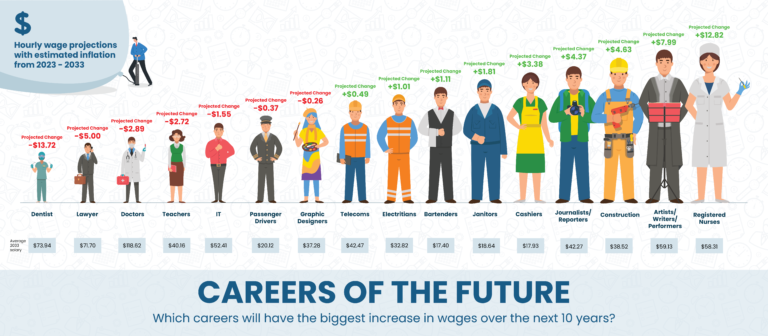
There are also concerns about job displacement as automation replaces certain types of work. However, many experts believe AI will also create new job opportunities that require advanced technical and analytical skills.
Ethical considerations are another important aspect of AI development. Ensuring fairness, transparency, and responsible use of AI technologies is essential to prevent misuse.
Governments and technology companies are increasingly working together to establish regulations and ethical guidelines for AI development.
The Future of Artificial Intelligence
Artificial Intelligence will continue to evolve rapidly in the coming years. Advances in machine learning, robotics, and computing power will lead to even more sophisticated AI systems.
Future AI technologies may revolutionize industries such as healthcare, transportation, manufacturing, and education. Intelligent automation will allow businesses to operate more efficiently and deliver better services.
At the same time, responsible development and ethical oversight will play a crucial role in ensuring that AI benefits society as a whole.
Conclusion
Artificial Intelligence is no longer a futuristic concept. It is already deeply integrated into everyday life, powering many of the technologies people use daily. From smartphones and smart homes to healthcare and transportation, AI is transforming the way individuals interact with the world.
As AI continues to advance, its impact on society will grow even stronger. Understanding how AI works and how it affects daily life will help individuals and businesses adapt to the rapidly changing digital landscape.
About the Author