Artificial intelligence has rapidly become part of daily life, influencing how people communicate, work, shop, travel, and learn. AI systems analyze data, recognize patterns, and automate complex tasks that previously required human effort. As technology continues to advance, artificial intelligence is transforming industries and improving efficiency in many aspects of modern life.
AI in Smartphones and Personal Devices
Artificial intelligence is widely used in smartphones and digital assistants. Features such as voice assistants, facial recognition, and predictive text rely on AI algorithms to function effectively. Virtual assistants like voice-based helpers can answer questions, schedule reminders, and control smart home devices.
Smartphone cameras also use AI to enhance photos by automatically adjusting lighting, focus, and image quality.
AI in Online Shopping
Online shopping platforms use artificial intelligence to recommend products based on browsing history and previous purchases. These recommendation systems analyze customer behavior to display personalized suggestions.
AI also helps retailers manage inventory, forecast demand, and improve customer experience through automated chat support.
AI in Transportation
Artificial intelligence is transforming transportation through navigation systems, ride-sharing platforms, and self-driving technology. Navigation apps use AI to analyze traffic conditions and suggest the fastest routes.
Automotive companies are developing autonomous vehicles that use sensors, cameras, and machine learning to navigate roads safely.
AI in Healthcare
Healthcare is one of the most important industries benefiting from artificial intelligence. AI systems assist doctors in diagnosing diseases, analyzing medical images, and predicting patient health risks.
Machine learning algorithms can process large medical datasets quickly, helping healthcare professionals detect conditions such as cancer or heart disease earlier.
AI in Education
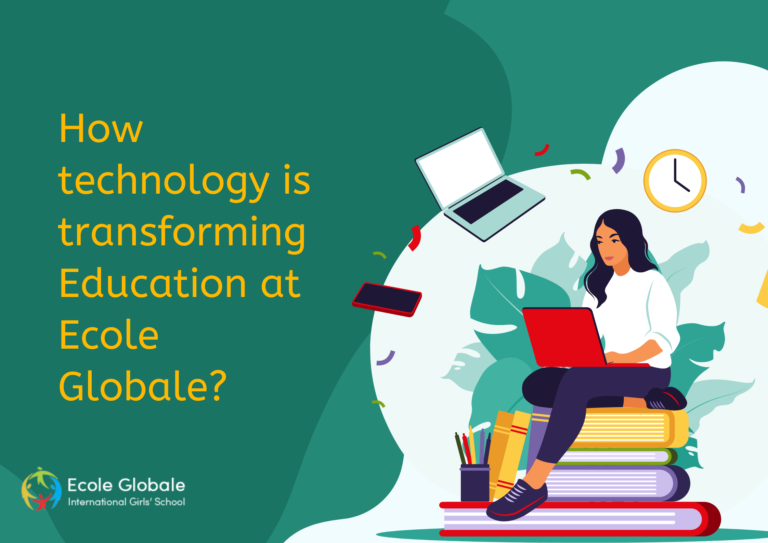
Artificial intelligence is also changing the way people learn. Online education platforms use AI to personalize learning experiences based on student performance. AI tutors can provide explanations, practice exercises, and feedback tailored to each learner.
Educational institutions are increasingly adopting AI tools to improve digital learning and student engagement.
AI in Business and Workplaces
Businesses use artificial intelligence to automate repetitive tasks, analyze customer data, and improve decision-making. AI-powered tools help companies manage marketing campaigns, process large amounts of data, and provide customer support through chatbots.
Automation allows employees to focus on creative and strategic tasks rather than routine work.
AI in Entertainment and Media
Streaming platforms use AI to recommend movies, music, and shows based on user preferences. Content recommendation algorithms analyze viewing habits to deliver personalized entertainment suggestions.
Artificial intelligence is also used in video games, animation, and digital content creation.
Benefits of Artificial Intelligence
Artificial intelligence improves efficiency, accuracy, and productivity across multiple industries. It helps businesses reduce costs, enhances healthcare diagnostics, and simplifies everyday tasks for individuals.
AI also enables faster data analysis and better decision-making in complex situations.
Challenges of Artificial Intelligence
Despite its benefits, AI also raises concerns about data privacy, job automation, and ethical use. As AI systems become more advanced, governments and organizations must establish regulations to ensure responsible use of the technology.
Balancing technological advancement with ethical considerations is essential for the future of AI.
FAQs
What is artificial intelligence?
Artificial intelligence refers to computer systems that can perform tasks that normally require human intelligence, such as learning, reasoning, and problem-solving.
How is AI used in daily life?
AI is used in smartphones, online shopping, navigation apps, healthcare systems, streaming services, and many other everyday technologies.
Will AI replace human jobs?
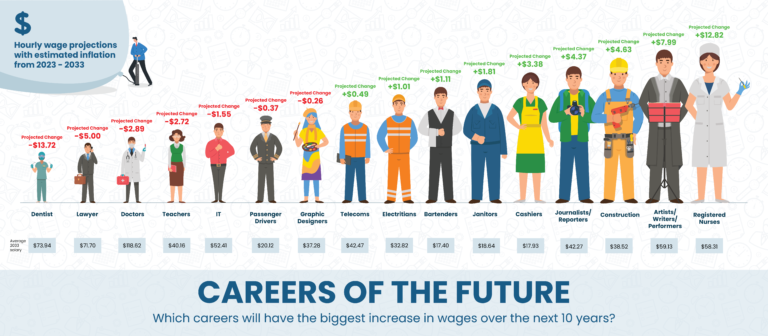
AI may automate certain repetitive tasks, but it also creates new opportunities and industries that require human skills and creativity.
Artificial intelligence continues to transform everyday life by improving technology, increasing efficiency, and opening new possibilities across industries. As AI develops further, its impact on society and the global economy will continue to grow.
About the Author