Artificial intelligence is advancing rapidly and is expected to transform nearly every industry over the next decade. From healthcare and education to transportation and business operations, AI technology will continue to reshape how people work, communicate, and solve complex problems. As computing power increases and machine learning systems improve, artificial intelligence will become even more integrated into everyday life.
Smarter Automation in Workplaces
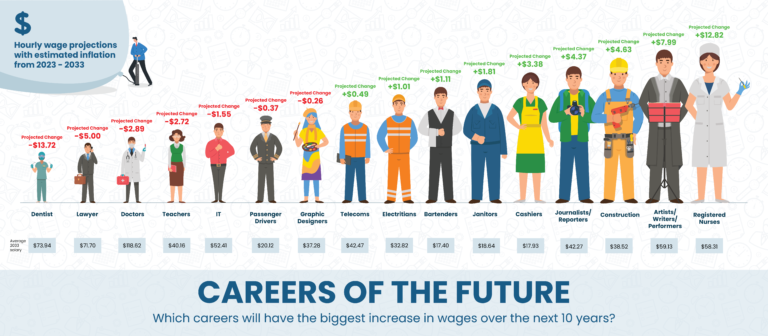
One of the biggest changes expected from artificial intelligence is increased automation in the workplace. AI systems will handle repetitive tasks such as data entry, scheduling, and basic customer support. This automation will allow employees to focus on creative thinking, problem-solving, and strategic work.
Businesses are already using AI tools to analyze data, manage operations, and improve efficiency. Over the next decade, these systems will become more advanced and capable of handling complex business processes.
AI in Healthcare
Artificial intelligence is expected to play a major role in improving healthcare systems. AI-powered medical tools can analyze large datasets, detect patterns in medical images, and assist doctors in diagnosing diseases earlier.
In the future, AI may help doctors personalize treatments based on a patient’s medical history and genetic information. This could lead to faster diagnoses and more effective treatments.
Autonomous Transportation
Self-driving technology is one of the most visible applications of artificial intelligence. Autonomous vehicles use sensors, cameras, and machine learning algorithms to navigate roads and avoid obstacles.
Over the next ten years, self-driving cars and trucks may become more common, improving road safety and reducing traffic accidents caused by human error.
AI in Education
Education systems are also being transformed by artificial intelligence. AI-powered learning platforms can adapt lessons based on student performance, providing personalized learning experiences.
Students may receive customized learning materials, instant feedback, and AI tutoring systems that help them understand difficult topics more effectively.
Artificial Intelligence in Daily Life
AI will continue to expand into everyday devices such as smartphones, smart homes, and digital assistants. Voice-controlled devices may become more intelligent and capable of managing complex tasks such as scheduling, controlling home appliances, and organizing daily routines.
Smart home systems will likely become more advanced, using AI to optimize energy usage, security systems, and household automation.
AI and Business Innovation
Companies are investing heavily in artificial intelligence to improve decision-making and innovation. AI systems can analyze large amounts of data quickly, helping businesses identify trends, predict customer behavior, and develop new products.
Marketing, finance, logistics, and supply chain management are areas where AI will continue to drive efficiency and growth.
Challenges and Ethical Considerations
Despite its advantages, artificial intelligence also raises concerns related to privacy, data security, and job displacement. Governments and organizations will need to establish regulations and ethical guidelines to ensure AI is used responsibly.
Balancing technological progress with ethical standards will be a key challenge as AI continues to evolve.
FAQs
What industries will AI impact the most?
Artificial intelligence will significantly impact industries such as healthcare, finance, transportation, education, and manufacturing.
Will AI replace human jobs?
AI will automate certain tasks, but it will also create new job opportunities that require human creativity, critical thinking, and technical skills.
How fast is AI developing?
Artificial intelligence is developing rapidly due to advances in computing power, data availability, and machine learning algorithms.
Artificial intelligence is expected to shape the future of technology and society. Over the next decade, AI will continue improving efficiency, solving complex problems, and creating new opportunities across multiple industries.
About the Author