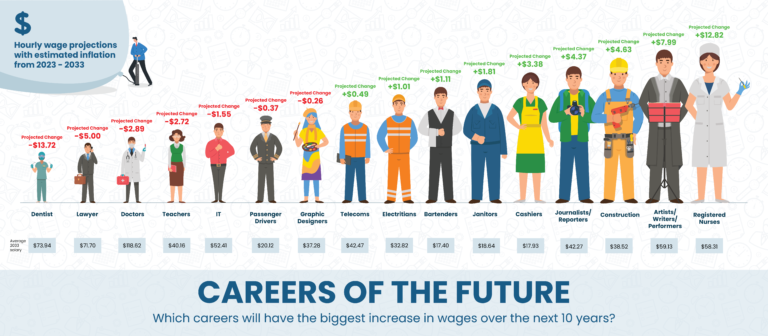
The world is changing rapidly due to technological advancement, globalization, and automation. Many traditional jobs are evolving, and new industries are emerging. To stay competitive in the modern workforce, individuals need to develop skills that will remain valuable in the future. Learning these skills can improve career opportunities, increase earning potential, and help individuals adapt to changing job markets.
Digital Literacy
Digital literacy is one of the most important skills in the modern world. It involves understanding how to use computers, digital platforms, and online tools effectively. Most industries now rely on technology for communication, data management, and business operations.
People who understand digital tools, software applications, and online systems have a significant advantage in the workplace.
Data Analysis
Data has become one of the most valuable resources for businesses. Companies collect large amounts of data to understand customer behavior, improve products, and make better decisions.
Professionals who can analyze and interpret data are highly valued in industries such as finance, marketing, healthcare, and technology.
Artificial Intelligence and Automation Skills
Artificial intelligence and automation are transforming many industries. Understanding how AI systems work and how automation tools operate will become increasingly important in the future.
Individuals who learn AI-related skills can work in fields such as machine learning, robotics, and intelligent system development.
Communication Skills
Strong communication skills are essential in every profession. Being able to express ideas clearly, present information effectively, and collaborate with others improves workplace performance.
Communication includes both verbal and written skills, as well as the ability to listen and understand different perspectives.
Problem-Solving Ability
Complex challenges require creative and analytical thinking. Problem-solving skills help individuals identify issues, evaluate solutions, and implement effective strategies.
Employers value professionals who can think critically and solve problems efficiently.
Adaptability and Flexibility
The future job market will require workers to adapt to new technologies and changing environments. Adaptability means being open to learning new skills, adjusting to new roles, and embracing innovation.
Individuals who remain flexible can handle changes in their careers more effectively.
Emotional Intelligence
Emotional intelligence refers to the ability to understand and manage emotions, both in oneself and others. It includes empathy, self-awareness, and interpersonal skills.
Professionals with strong emotional intelligence often work well in teams, manage conflicts effectively, and build strong relationships.
Leadership Skills
Leadership is not limited to management positions. Individuals with leadership skills can guide teams, motivate others, and take responsibility for achieving goals.
Strong leadership abilities are valuable in business, entrepreneurship, and community organizations.
Continuous Learning
One of the most important skills for the future is the ability to keep learning. As technology and industries evolve, professionals must update their knowledge and develop new abilities regularly.
Lifelong learning ensures that individuals remain competitive and adaptable throughout their careers.
FAQs
What are the most important future skills?
Skills related to technology, data analysis, communication, and problem-solving are expected to remain highly valuable.
Why is adaptability important for the future?
Rapid technological change requires individuals to learn new skills and adjust to evolving job roles.
How can I start learning future skills?
Online courses, books, training programs, and practical experience can help develop important skills for future careers.
Developing future-ready skills is essential for success in a rapidly changing world. By focusing on continuous learning and skill development, individuals can remain competitive and prepared for new opportunities in the evolving job market.
About the Author