How to Improve Your Credit Score Quickly (Simple Guide)
Your credit score plays a major role in your financial life. Lenders use it to decide whether to approve loans, credit cards, mortgages, and even rental applications. A higher credit score can help you qualify for lower interest rates and better financial opportunities. Improving your credit score quickly requires understanding how credit scoring works and following smart financial habits.
What Is a Credit Score?
A credit score is a three-digit number that represents your creditworthiness. In the United States, most lenders use the FICO score, which ranges from 300 to 850. Higher scores indicate lower risk for lenders.
Credit score ranges are generally classified as poor (300–579), fair (580–669), good (670–739), very good (740–799), and excellent (800–850).
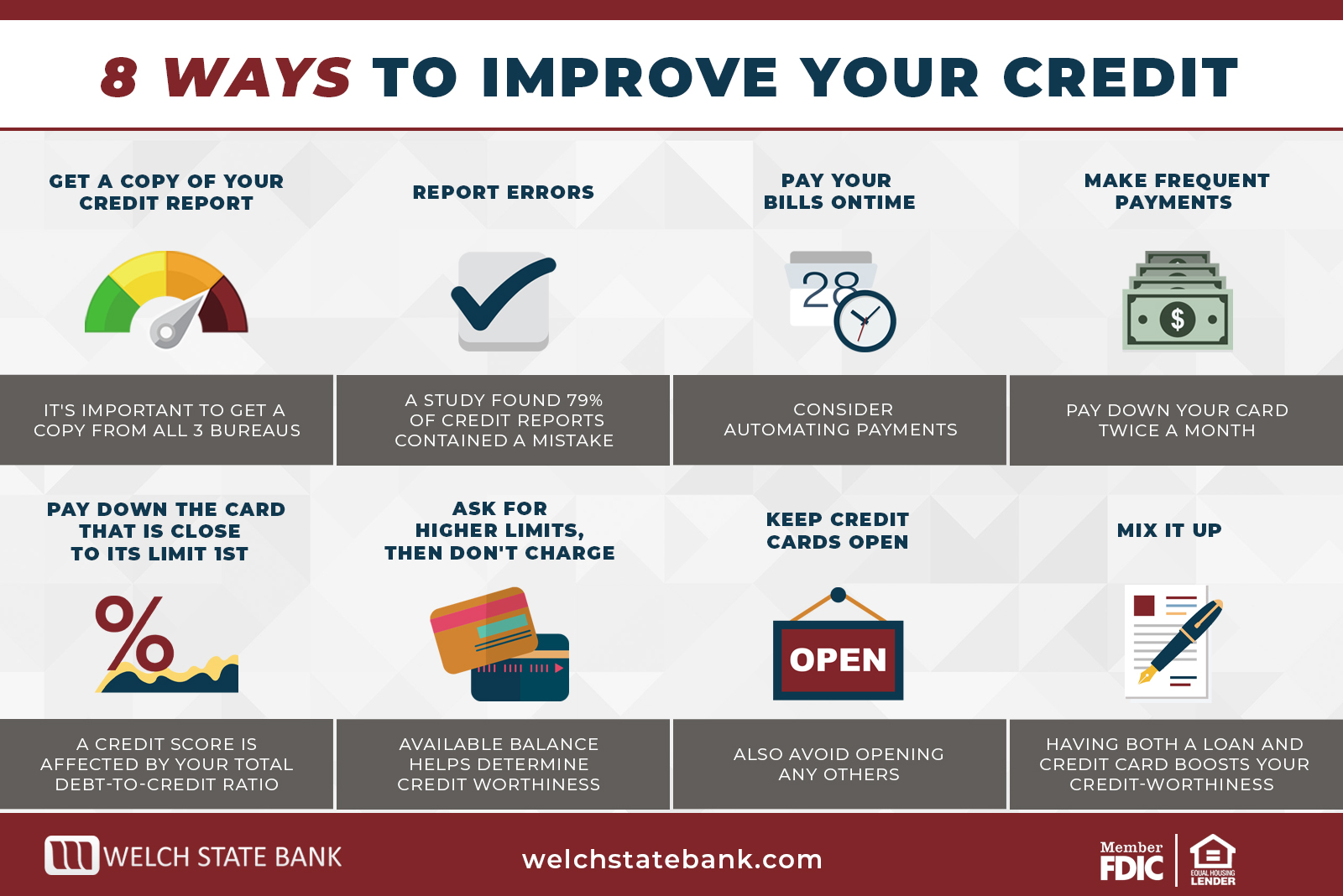
Pay Bills on Time
Payment history is the most important factor affecting your credit score. Late or missed payments can significantly lower your score and remain on your credit report for years. Always pay credit cards, loans, and utility bills on time.
Setting up automatic payments or reminders can help prevent missed payments.
Reduce Credit Card Balances
Credit utilization refers to the percentage of your available credit that you are using. High balances can lower your credit score even if payments are made on time.
Financial experts recommend keeping credit utilization below 30 percent of your total credit limit. Paying down credit card balances quickly can improve your credit score within a few months.
Avoid Opening Too Many New Accounts
Applying for multiple credit cards or loans in a short period results in hard inquiries on your credit report. Too many inquiries may signal financial risk to lenders and temporarily lower your credit score.
Apply for new credit only when necessary.
Check Your Credit Report for Errors
Errors on your credit report can negatively affect your score. Reviewing your credit report regularly allows you to identify incorrect information such as duplicate accounts or inaccurate payment history.
Disputing these errors with credit bureaus can lead to corrections and potential credit score improvements.
Keep Old Credit Accounts Open
The length of your credit history affects your credit score. Older credit accounts show lenders that you have long-term experience managing credit. Closing old accounts can reduce the average age of your credit history and lower your score.
Keeping older accounts active helps maintain a stronger credit profile.
Diversify Your Credit Mix
Having different types of credit accounts, such as credit cards, auto loans, and personal loans, can improve your credit profile. Lenders prefer borrowers who demonstrate responsible management of various types of credit.
However, new credit should only be added when necessary.
Use Secured Credit Cards if Needed
Individuals with low or limited credit history can build credit using secured credit cards. These cards require a refundable deposit that acts as the credit limit. Responsible usage and on-time payments help establish positive credit history.
Over time, many secured cards can be upgraded to traditional credit cards.
FAQs
How fast can a credit score improve?
Credit scores can improve within a few weeks after reducing credit card balances or correcting credit report errors.
What is the fastest way to increase a credit score?
Paying down credit card balances and making on-time payments are among the fastest ways to improve credit scores.
What credit score is considered good?
A credit score above 670 is generally considered good and improves approval chances for loans and credit cards.
Improving your credit score requires responsible financial habits and consistent credit management. Over time, these steps can strengthen your credit profile and open the door to better financial opportunities.