The Future of Work: Jobs That Will Be in Demand by 2035
The global job market is evolving rapidly as technology, automation, and digital transformation reshape industries. Many traditional jobs are changing, while entirely new careers are emerging. By 2035, companies will prioritize professionals who possess advanced technical knowledge, problem-solving abilities, and adaptable skills. Understanding which careers will be in demand can help individuals prepare for future opportunities and build long-term career stability.
Artificial Intelligence Specialists
Artificial intelligence is becoming a major part of modern business operations. AI specialists design systems that analyze data, automate processes, and improve decision-making.
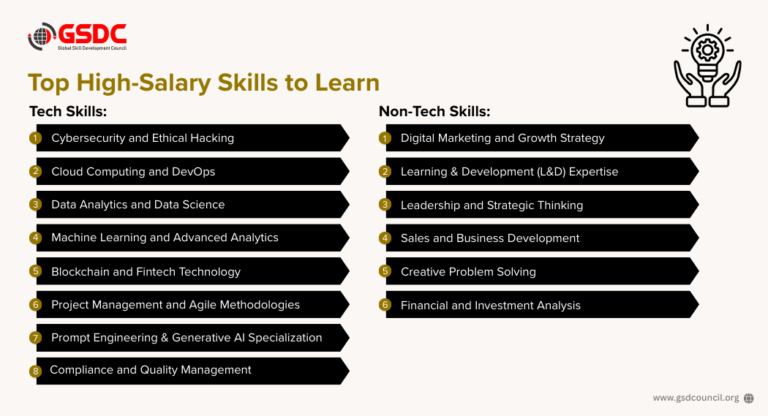
As businesses increasingly adopt AI technologies, professionals skilled in machine learning, data modeling, and intelligent systems will be in high demand.
Data Scientists and Analysts
Data has become one of the most valuable resources for companies. Businesses collect large amounts of information about customers, markets, and operations.
Data scientists and analysts help organizations interpret this information to make strategic decisions, improve products, and predict future trends. The demand for data professionals is expected to grow significantly over the next decade.
Cybersecurity Experts
With the rapid expansion of digital infrastructure, cybersecurity has become a critical priority for businesses and governments. Cybersecurity professionals protect networks, systems, and sensitive data from cyber attacks.
As cyber threats become more sophisticated, organizations will require skilled experts who can detect vulnerabilities and maintain strong digital security systems.
Healthcare Professionals
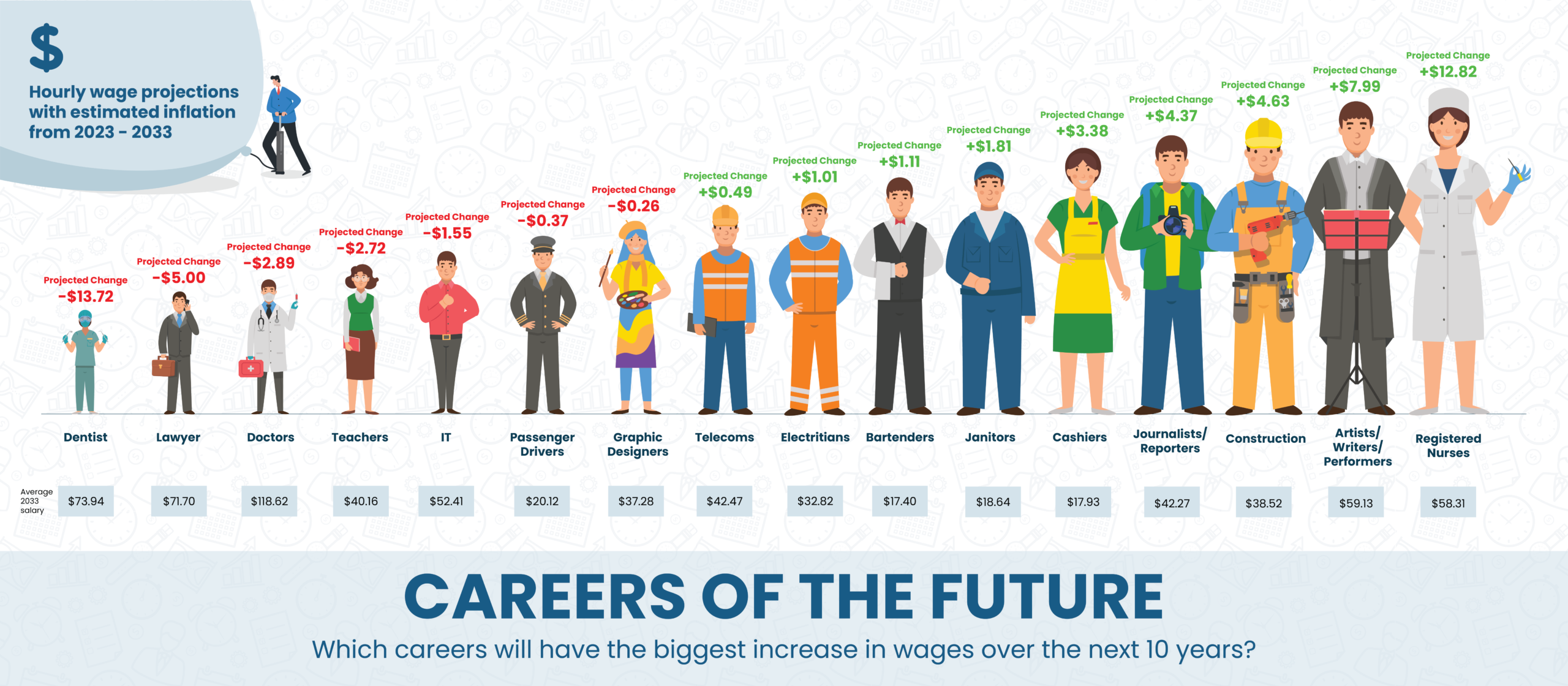
Healthcare will continue to be one of the most important industries in the future. Medical professionals such as doctors, nurses, healthcare technicians, and medical researchers will remain essential for global health systems.
Technological advancements in medicine will also create new careers related to medical technology, biotechnology, and healthcare data analysis.
Renewable Energy Specialists
The global shift toward sustainable energy is creating demand for renewable energy professionals. Engineers and technicians working in solar energy, wind power, and sustainable energy systems will play a key role in future energy production.
Governments and companies are investing heavily in clean energy solutions to reduce environmental impact.
Software Developers
Software development remains one of the most valuable skills in the modern digital economy. Developers create applications, websites, and software systems used by businesses and consumers worldwide.
As technology continues to evolve, demand for skilled software developers is expected to remain strong across industries.
Digital Marketing Experts
Businesses rely heavily on online platforms to reach customers and promote products. Digital marketing specialists help companies manage social media campaigns, search engine optimization strategies, and online advertising.
With the growth of e-commerce and online services, digital marketing professionals will remain highly valuable.
Robotics Engineers
Robotics technology is expanding across industries such as manufacturing, healthcare, logistics, and space exploration. Robotics engineers design and maintain automated machines that perform complex tasks.
The development of advanced robotics systems will create new career opportunities in engineering and automation.
Soft Skills for the Future Workforce
In addition to technical skills, soft skills such as communication, adaptability, creativity, and leadership will remain essential in future workplaces.
Professionals who can collaborate effectively, solve complex problems, and adapt to technological changes will have strong career advantages.
FAQs
Which careers will grow the most in the future?
Careers related to artificial intelligence, cybersecurity, data science, healthcare, and renewable energy are expected to grow rapidly.
Why are technology skills important for future jobs?
Technology skills allow individuals to work with advanced digital systems and adapt to automation-driven industries.
How can someone prepare for future careers?
Continuous learning, developing technical expertise, and staying updated with industry trends can help individuals prepare for future job opportunities.
The future job market will reward individuals who develop advanced skills and remain adaptable to technological changes. By preparing for emerging industries and continuing to learn new abilities, professionals can secure successful careers in the evolving global workforce.