The Psychology of Motivation: How to Stay Consistent
Motivation is the driving force that helps people achieve goals and maintain progress in work, education, and personal life. However, motivation is not always constant. Many people start tasks with enthusiasm but struggle to stay consistent over time. Understanding the psychology behind motivation can help individuals maintain discipline and continue working toward their goals even when motivation decreases.
What Is Motivation?
Motivation is the internal or external force that encourages individuals to take action. It influences behavior, effort, and persistence when working toward goals.
Psychologists often divide motivation into two main types: intrinsic motivation and extrinsic motivation.
Intrinsic Motivation
Intrinsic motivation comes from internal satisfaction or personal interest. People feel motivated because they enjoy the activity itself or find it meaningful.
For example, someone who enjoys learning new skills or solving problems may feel motivated to study or practice without needing external rewards.
Extrinsic Motivation
Extrinsic motivation comes from external rewards such as money, recognition, grades, or promotions. Many workplaces and educational systems rely on external incentives to motivate performance.
While extrinsic motivation can be effective, relying solely on external rewards may make it harder to stay motivated when rewards are removed.
Set Clear and Achievable Goals
Clear goals help maintain motivation because they provide direction and purpose. When goals are specific and measurable, progress becomes easier to track.
Breaking large goals into smaller milestones also helps maintain motivation because each completed step creates a sense of accomplishment.
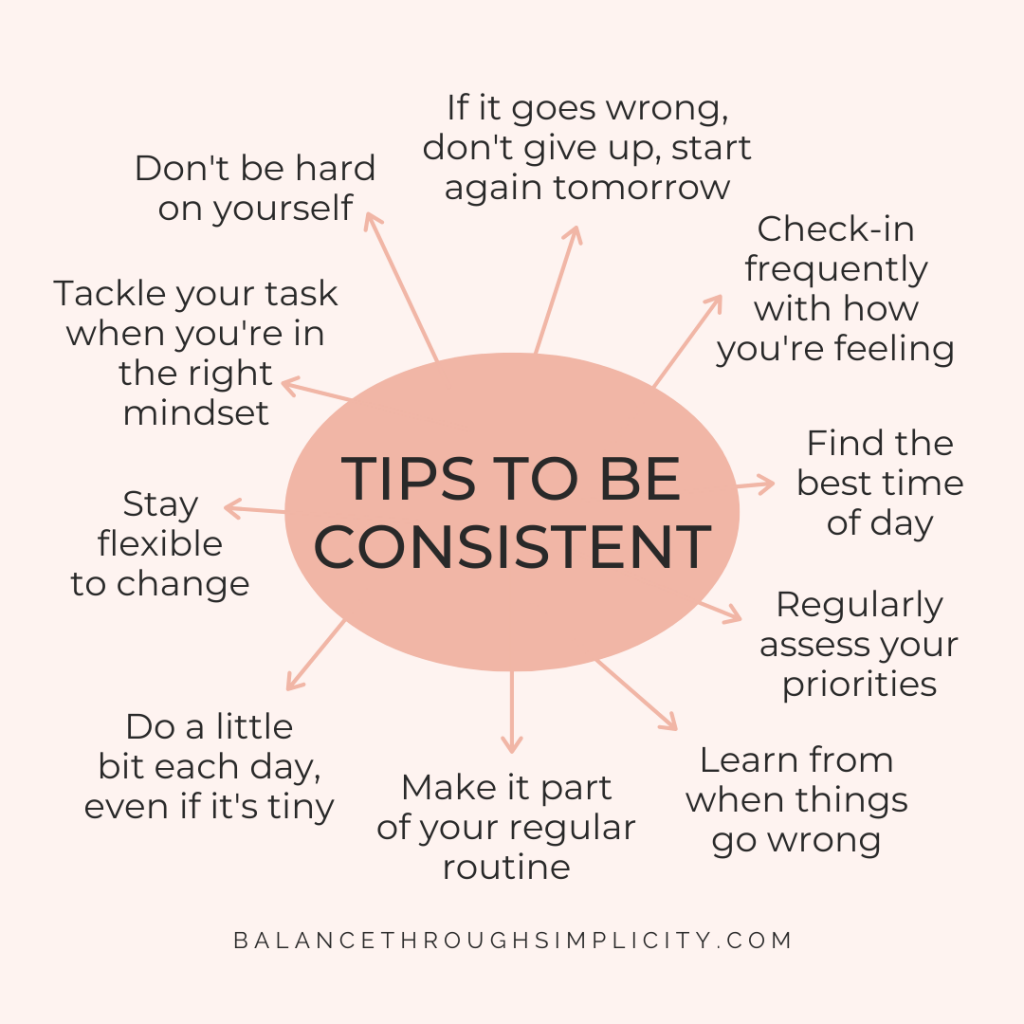
Build Consistent Habits
Motivation often fades over time, but habits provide consistency. When actions become part of a daily routine, they require less effort and decision-making.
Developing habits such as studying at the same time each day or exercising regularly can maintain progress even when motivation fluctuates.
Focus on Progress, Not Perfection
Many people lose motivation because they expect perfect results. Focusing on small improvements rather than perfection helps maintain momentum.
Recognizing progress and celebrating small achievements encourages continued effort.
Remove Barriers to Action
Motivation decreases when tasks feel difficult or overwhelming. Simplifying tasks and reducing obstacles makes it easier to take action.
For example, preparing materials in advance or creating a structured schedule can make it easier to begin working.
Surround Yourself With Positive Influences
Environment plays a major role in motivation. Being surrounded by supportive people, mentors, or productive environments can increase motivation and encourage consistency.
Positive influences help reinforce good habits and maintain focus on goals.
Develop Self-Discipline
While motivation may fluctuate, discipline allows individuals to continue working even when motivation is low. Self-discipline involves maintaining commitment and completing tasks despite distractions or lack of enthusiasm.
Successful individuals often rely more on discipline than temporary motivation.
FAQs
Why does motivation disappear after a while?
Motivation often decreases because the initial excitement fades. Developing habits and discipline helps maintain consistency when motivation drops.
How can I stay motivated every day?
Setting clear goals, tracking progress, and maintaining healthy routines can help sustain daily motivation.
Is discipline more important than motivation?
Yes. Discipline helps maintain consistent action even when motivation is low, which is essential for long-term success.
Understanding the psychology of motivation helps individuals develop stronger habits and maintain consistency. By combining motivation with discipline and clear goals, it becomes easier to achieve long-term success and personal growth.